Warmly welcome friends from all over the world to join us and establish a mutual benefit relationship.

 English
Views: 0 Author: Site Editor Publish Time: 2025-12-03 Origin: Site


Are you aware that improper blade selection can lead to serious injuries? Understanding cut resistance levels is crucial for anyone using cutting blades. In this article, we’ll explore what ANSI/ISEA cut resistance levels are and why they matter for safety and performance. You'll learn how these standards can help you choose the right cutting blades for your needs.
The American National Standards Institute (ANSI) and the International Safety Equipment Association (ISEA) play crucial roles in establishing safety standards. ANSI is a private, non-profit organization that oversees the development of voluntary consensus standards for various industries. On the other hand, ISEA focuses specifically on personal protective equipment (PPE), providing guidelines to enhance worker safety. Together, these organizations create standards that ensure the safety and effectiveness of cutting tools and equipment.
Key Roles:
● ANSI: Develops standards across many sectors.
● ISEA: Specializes in safety equipment and PPE.
● Collaboration: Both organizations work together to improve workplace safety.
The primary goal of ANSI/ISEA standards is to promote safety and performance in the workplace. By standardizing safety equipment, these organizations help manufacturers produce reliable and effective products. This standardization not only protects workers but also fosters confidence in the tools they use daily.
Benefit | Description |
Enhanced Safety | Workers are better protected from injuries due to standardized safety measures. |
Improved Quality | Manufacturers adhere to quality benchmarks, ensuring consistent product performance. |
Increased Trust | Users gain confidence in products that meet established safety standards. |
Market Accessibility | Compliance opens doors to new markets and customers seeking reliable equipment. |
Standardization is vital in ensuring that cutting blades and other safety equipment meet specific performance criteria. When manufacturers follow ANSI/ISEA guidelines, it leads to safer products that can withstand rigorous use. For example, cutting blades designed according to these standards undergo testing to determine their cut resistance levels, ensuring they can handle various materials without compromising safety.
Visual Representation:
● Standardization Process:
○ Development: ANSI and ISEA create standards.
○ Testing: Products are tested for compliance.
○ Certification: Approved products receive certification.
○ Implementation: Manufacturers produce compliant products.
In addition to safety, standardization also helps streamline the manufacturing process. By adhering to common guidelines, manufacturers can reduce production costs and improve efficiency. This ultimately benefits users, as they receive high-quality products at competitive prices.
For manufacturers, ANSI/ISEA standards provide a clear framework for product development. By following these guidelines, companies can enhance their product offerings and differentiate themselves in the market. They also benefit from reduced liability risks, as compliance with safety standards can mitigate potential legal issues.
Benefits for Manufacturers:
● Clear Guidelines: Simplifies product development.
● Market Differentiation: Stand out with certified products.
● Risk Reduction: Lower liability through compliance.
Users, on the other hand, enjoy peace of mind knowing that the cutting blades and safety equipment they use meet rigorous safety standards. This assurance translates into greater productivity and reduced workplace accidents. Additionally, when users select products that comply with ANSI/ISEA standards, they can trust that these tools will perform reliably, enhancing their overall work experience.
Benefits for Users:
● Safety Assurance: Confidence in product reliability.
● Increased Productivity: Fewer accidents lead to smoother operations.
● Trustworthy Performance: Consistent results from compliant tools.
In summary, the ANSI/ISEA standards are essential in promoting safety, quality, and trust in cutting blades and other safety equipment. By understanding these standards, both manufacturers and users can make informed decisions that prioritize safety and efficiency.
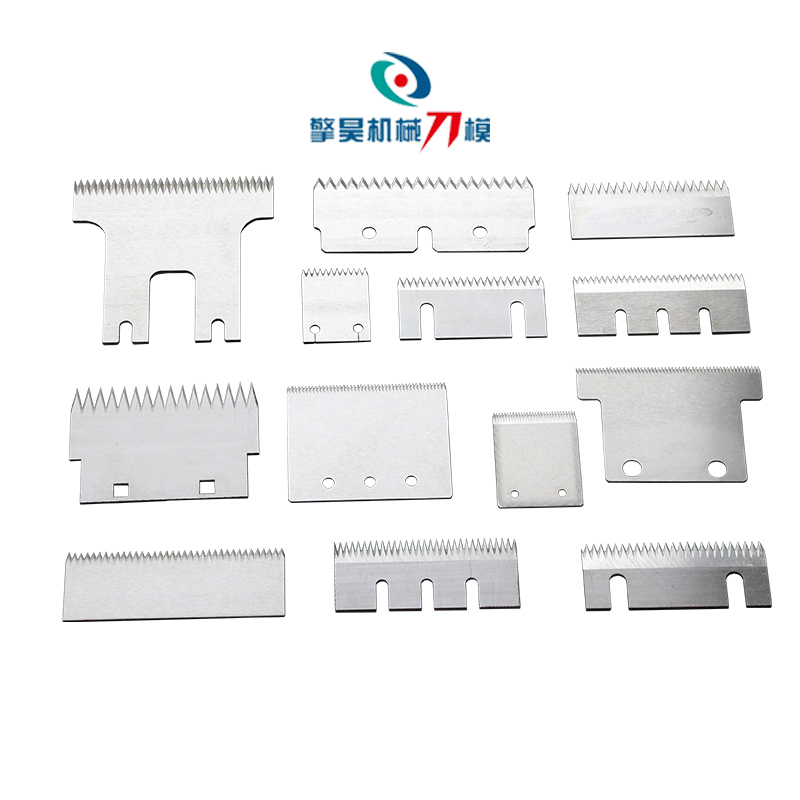
ANSI/ISEA cut resistance levels are a standardized way to measure how well materials can withstand cutting forces. These levels are crucial for evaluating the safety and effectiveness of cutting blades used in various industries. The system categorizes resistance into nine distinct levels, ranging from A1 to A9, with higher levels indicating greater resistance to cuts. This classification helps consumers and manufacturers make informed choices when selecting cutting tools.
Key Points:
● Levels A1 to A9: Each level corresponds to a specific range of cutting force measured in Newtons.
● Application Relevance: Higher levels are essential for industries dealing with tougher materials, ensuring safety and efficiency.
The determination of cut resistance levels involves a rigorous testing process that adheres to strict methodologies. These tests measure the amount of force required to cut through a material using a standardized blade. The results are then categorized into the ANSI/ISEA levels, providing a clear understanding of the material's capabilities.
1. Sample Preparation: Samples of the material to be tested are cut into standardized shapes.
2. Testing Equipment: A machine equipped with a sharp blade applies a controlled force to the material.
3. Force Measurement: The amount of force needed to cut through the material is recorded in Newtons.
4. Classification: Based on the force measured, the material is assigned a cut resistance level from A1 to A9.
Visual Representation:
Cut Resistance Level | Force Range (Newtons) | Typical Applications |
A1 | ≤2.9 | Minimal cutting risk scenarios |
A2 | 3.0 - 4.9 | Light-duty tasks, low-intensity applications |
A3 | 5.0 - 9.9 | Food processing, cutting soft materials |
A4 | 10.0 - 14.9 | General plastic and rubber cutting |
A5 | 15.0 - 24.9 | Non-woven fabrics, medium-thickness paper |
A6 | 25.0 - 34.9 | Cutting thin metal sheets |
A7 | 35.0 - 49.9 | Industrial metal cutting |
A8 | 50.0 - 69.9 | Crusher blades, shredders |
A9 | ≥70.0 | High-performance metallurgical applications |
Understanding these cut resistance levels is essential for anyone involved in industries that utilize cutting blades. By knowing the specific level of resistance, users can select the appropriate blade for their tasks, minimizing the risk of accidents and improving productivity. For instance, in food processing, using a blade rated A3 ensures that it can handle the soft materials without dulling quickly.
Moreover, manufacturers can design products that meet or exceed these standards, ensuring safety and reliability. This alignment not only fosters trust among consumers but also enhances a manufacturer's reputation in the market. The ANSI/ISEA cut resistance levels thus serve as a vital tool for both safety and performance in the realm of cutting blades.
ANSI/ISEA cut resistance levels range from A1 to A9, providing a clear framework for understanding how well materials can resist cuts. Each level corresponds to a specific range of force measured in Newtons, indicating the material's ability to withstand cutting. Let’s explore each level in detail, highlighting their characteristics and applications.
Level A1 represents the lowest cut resistance. It requires a force of 2.9 Newtons or less to cut through the material. This level is suitable for scenarios where there is minimal risk of cuts.
Characteristics:
● Typical Applications: Used in lightweight packaging materials or simple protective covers.
● Example Products: Basic gloves for light handling tasks.
Level A2 offers a slightly higher resistance, requiring between 3.0 to 4.9 Newtons. This level is ideal for tasks that involve light cutting or handling.
Use Cases:
● Common Industries: Ideal for the paper and light manufacturing sectors.
● Example Products: Gloves used for light assembly work or handling light materials.
Level A3 indicates moderate cut resistance, with a force requirement of 5.0 to 9.9 Newtons. At this level, materials are more robust and suitable for various applications.
Relevant Industries:
● Food Processing: Used for slicing and dicing food items.
● Blade Types: Commonly found in kitchen knives and food processing blades.
Level A4 offers moderate to high cut resistance, requiring 10.0 to 14.9 Newtons. This level is essential for industries dealing with plastic and rubber materials.
Applications:
● Plastic and Rubber Industries: Ideal for cutting tougher materials like rubber sheets or plastic films.
● Typical Products: Blades used in manufacturing plastic components.
Level A5 signifies high cut resistance, needing 15.0 to 24.9 Newtons. This level is crucial for industries that require precision cutting.
Importance:
● Non-Woven Fabric Cutting: Essential for the production of items like masks and medical supplies.
● Medium-Thickness Paper: Used in industrial settings for cutting thicker paper products.
Level A6 requires a force of 25.0 to 34.9 Newtons, making it suitable for applications involving metal cutting, especially thin sheets.
Applications:
● Metal Cutting Industries: Ideal for cutting aluminum foils and thin metal sheets.
● Typical Products: Blades used in manufacturing electronics and automotive parts.
Level A7 indicates extremely high cut resistance, with a requirement of 35.0 to 49.9 Newtons. This level is vital for industrial applications.
Use in Industrial Metal Cutting:
● Common Applications: Used in cutting tools for pipe manufacturing and heavy-duty metal processing.
● Typical Products: Industrial blades designed for cutting steel and other tough materials.
Level A8 signifies ultra-high cut resistance, requiring 50.0 to 69.9 Newtons. This level is designed for the most demanding cutting applications.
Characteristics:
● Blades for Waste Treatment: Used in shredders and crushers for tough materials.
● Common Products: Blades that can handle waste materials like rubber, plastic, and metal scraps.
Level A9 represents the highest cut resistance, requiring 70.0 Newtons or more. This level is critical for high-performance applications.
Relevance for High-Performance Metallurgical Cutting Blades:
● Typical Applications: Used in cutting hot-rolled steel billets and thick plates.
● Example Products: Specialized blades designed for the metallurgical industry.
Cut Resistance Level | Force Range (Newtons) | Typical Applications |
A1 | ≤2.9 | Lightweight packaging, basic gloves |
A2 | 3.0 - 4.9 | Light assembly, handling light materials |
A3 | 5.0 - 9.9 | Food processing, kitchen knives |
A4 | 10.0 - 14.9 | Plastic and rubber cutting |
A5 | 15.0 - 24.9 | Non-woven fabric, medium-thickness paper |
A6 | 25.0 - 34.9 | Thin metal cutting, electronics manufacturing |
A7 | 35.0 - 49.9 | Industrial metal cutting |
A8 | 50.0 - 69.9 | Waste treatment, shredders |
A9 | ≥70.0 | High-performance metallurgical applications |
Understanding these ANSI/ISEA cut resistance levels is essential for selecting the right cutting blades for specific tasks. By matching the appropriate level to the job, users can enhance safety and efficiency in their operations.
Cut resistance is a critical factor in the performance and safety of cutting blades. When workers use blades that do not meet the required cut resistance levels, they face an increased risk of accidents and injuries. Understanding these levels helps ensure that the right blade is selected for specific tasks, minimizing the chance of cuts and enhancing overall safety in the workplace.
Key Considerations:
● Safety: Proper cut resistance reduces the risk of injuries during operations.
● Efficiency: Choosing the right blade enhances productivity by ensuring effective cutting.
● Performance: Blades that meet the necessary resistance levels maintain their sharpness and effectiveness longer.
Selecting the appropriate cutting blade based on ANSI/ISEA cut resistance levels is essential for achieving optimal results. Each level provides guidance on the blade's suitability for various applications, helping users make informed decisions. For instance, a blade rated A5 is ideal for cutting non-woven fabrics, while an A8 blade is better suited for heavy-duty metal cutting.
1. Assess the Material: Determine what materials will be cut. Softer materials may require lower resistance, while tougher materials need higher resistance.
2. Consider the Environment: Evaluate the working conditions. For example, wet or slippery environments may necessitate blades with higher cut resistance.
3. Match the Application: Align the cut resistance level with the specific task. Using a blade with insufficient resistance can lead to premature wear or accidents.
Visual Aid: Blade Selection Process
Step | Action | Considerations |
1. Assess Material | Identify what you'll be cutting. | Soft vs. hard materials |
2. Evaluate Conditions | Check the environment of use. | Wet, dry, or hazardous conditions |
3. Choose Blade | Select based on ANSI/ISEA levels. | Match resistance to application needs |
Cutting blades are used in various industries, each with unique requirements for cut resistance. Understanding these applications helps illustrate the importance of selecting the right blade.
● Food Processing: In this sector, cutting blades must meet specific cut resistance levels to ensure safety and efficiency. For example, blades used for slicing meat or vegetables often require a cut resistance of at least A3 to handle the soft materials effectively.
● Metalworking: Here, the demand for high cut resistance is paramount. Blades rated A6 or higher are commonly used for cutting thin metal sheets and components, ensuring they can withstand the friction and force involved without dulling quickly.
● Packaging Industry: This industry frequently uses blades with varying levels of cut resistance depending on the materials being processed. Blades for cutting cardboard may only need an A2 rating, while those for plastic packaging often require A4 or higher.
Table: Industry-Specific Blade Requirements
Industry | Typical Materials | Recommended Cut Resistance Level |
Food Processing | Meat, vegetables | A3 |
Metalworking | Thin metal sheets | A6 or higher |
Packaging | Cardboard, plastic | A2 for cardboard, A4 for plastic |
Incorporating the right cut resistance levels into blade selection not only enhances safety but also improves operational efficiency across these diverse industries. By understanding the significance of these levels, users can make better choices, leading to safer and more productive work environments.
The ANSI/ISEA cut resistance levels significantly impact the selection of materials used in manufacturing cutting blades. Each level requires specific properties to ensure that the blades can withstand the forces encountered during cutting tasks. For instance, blades rated A1 or A2 may use softer materials, while those rated A5 and above typically require more durable materials designed to handle higher cutting forces.
Key Influences on Material Choice:
● Cut Resistance Requirements: Higher resistance levels demand tougher materials.
● Application Specificity: Different applications necessitate different material properties.
● Cost Considerations: The choice of material also impacts production costs and pricing.
Manufacturers often select materials based on the required cut resistance level. Here’s a breakdown of common materials used for various ANSI/ISEA levels:
Cut Resistance Level | Typical Materials | Characteristics |
A1 | Low-grade plastics | Lightweight, minimal cut resistance |
A2 | Standard steel | Moderate durability for light tasks |
A3 | High-carbon steel | Good balance of sharpness and durability |
A4 | Tool steel | Excellent edge retention and toughness |
A5 | High-alloy steel | High resistance, ideal for non-woven fabrics |
A6 | Special alloy steel | Designed for thin metal cutting |
A7 | Industrial-grade steel | Extremely durable for heavy-duty use |
A8 | High-performance alloys | Suitable for waste treatment applications |
A9 | Advanced metallurgical steel | Exceptional performance in tough environments |
High-alloy steel and tool steel are critical materials in the production of cutting blades, especially for higher cut resistance levels. High-alloy steel is known for its excellent hardness and wear resistance, making it ideal for blades that must maintain their sharpness over extended use. Tool steel, on the other hand, offers exceptional toughness, allowing it to withstand the stresses of cutting without chipping or breaking.
Applications:
● High-Alloy Steel: Commonly used in A5 to A7 rated blades for industrial applications.
● Tool Steel: Often found in A4 and A6 blades, catering to various manufacturing needs.
Zhejiang Qinghao Intelligent Machinery Co., Ltd. emphasizes high-quality raw materials in its cutting blade production. The company utilizes advanced manufacturing techniques and selects premium materials to ensure that its products meet stringent ANSI/ISEA standards. This focus on quality allows them to produce cutting blades that excel in performance and durability.
Material Focus:
● High-Quality Raw Materials: The company prioritizes sourcing materials that provide optimal cut resistance.
● Unique Processing Techniques: Innovative methods enhance the properties of the materials, resulting in superior blades.
Visual Aid: Material Selection Process
Step | Action | Considerations |
1. Determine Requirements | Identify necessary cut resistance. | Match levels to application needs. |
2. Select Materials | Choose based on performance criteria. | Consider durability and cost. |
3. Apply Processing Techniques | Enhance material properties. | Use advanced methods for quality. |
By focusing on high-quality materials and unique processing techniques, Zhejiang Qinghao ensures that its cutting blades not only meet but exceed industry standards. This commitment to excellence provides users with reliable tools that enhance safety and efficiency in various applications.
Optimizing the performance of cutting blades involves several techniques and processes that enhance their effectiveness while meeting ANSI/ISEA cut resistance requirements. Key methods include heat treatment and edge grinding, both of which play significant roles in improving blade durability and cutting efficiency.
Techniques for Optimization:
● Heat Treatment: This process involves heating the blade material to a specific temperature and then cooling it rapidly. This technique increases hardness and wear resistance, making the blade more durable under stress.
● Edge Grinding: Properly grinding the blade edge can enhance sharpness and cutting precision. A well-ground edge reduces friction, allowing for smoother cuts and less wear over time.
Achieving a balance between cutting efficiency and durability is essential for any cutting blade. While a sharper blade may provide better initial performance, it can wear down faster if not made from the right materials. Conversely, a more durable blade may not cut as efficiently if its edge is too thick or not properly shaped.
Key Considerations:
● Application Needs: Different applications require different balances. For instance, food processing blades benefit from sharpness, while industrial blades need durability.
● Material Selection: The right material can enhance both cutting efficiency and durability, ensuring that the blade performs well in its intended use.
Visual Representation: Balancing Factors
Factor | Cutting Efficiency | Durability |
Sharpness | High | Moderate |
Material Quality | Moderate | High |
Edge Design | High | Moderate |
Aligning blade specifications with application needs is crucial for optimizing performance. Each industry has unique requirements, and blades should be tailored accordingly. For example, blades used in metalworking need to withstand higher forces than those used in food processing.
Guidelines for Specification Alignment:
1. Assess Application Requirements: Understand the specific cutting tasks and materials involved.
2. Select Appropriate Resistance Levels: Choose blades that meet the necessary ANSI/ISEA levels for the job.
3. Evaluate Performance Metrics: Consider factors such as cutting speed, edge retention, and wear resistance.
Research and development (R&D) play a pivotal role in enhancing the quality of cutting blades. Companies often invest in R&D to innovate and improve their products, leading to better performance and increased safety. Collaborating with universities and research institutes allows for the exchange of knowledge and technology, driving advancements in blade design and materials.
Overview of Collaborative Efforts:
● University Partnerships: Collaborations with academic institutions enable access to cutting-edge research and testing facilities.
● Patents and Innovations: Developing new technologies and processes can lead to patented products that offer competitive advantages in the market.
Visual Aid: R&D Collaboration Benefits
Collaboration Type | Benefits |
University Partnerships | Access to research expertise |
Industry Research Institutes | Testing and validation of new technologies |
Joint Ventures | Shared resources for product development |
Through these collaborative efforts, companies can significantly enhance their cutting blade offerings, ensuring they meet high standards of quality and performance while adhering to ANSI/ISEA cut resistance levels.
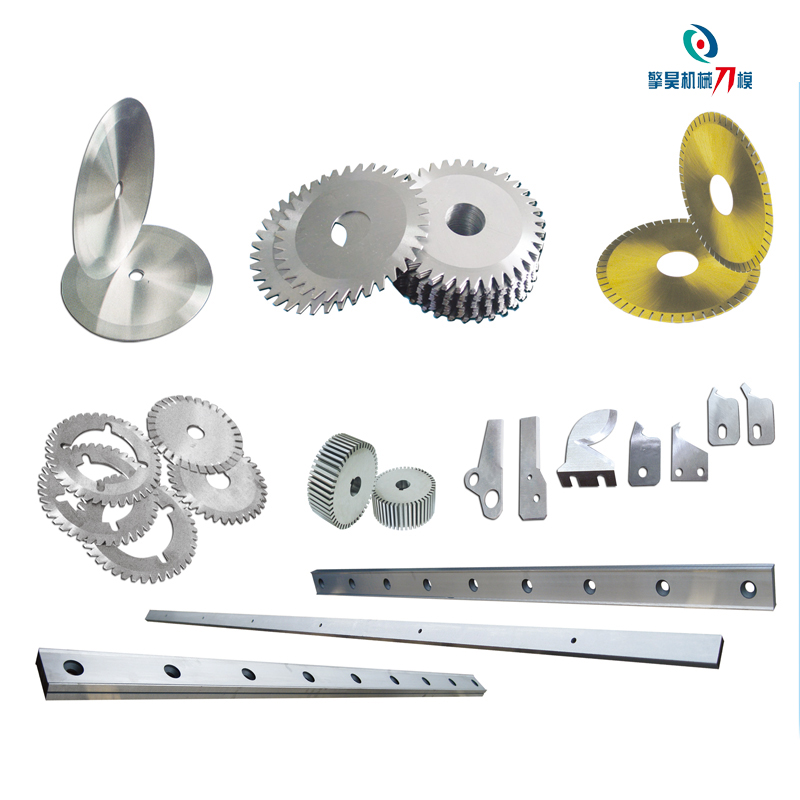
Understanding ANSI/ISEA cut resistance levels is crucial for customers when selecting cutting blades. These levels provide a standardized way to evaluate the safety and effectiveness of blades for various applications. By using these classifications, customers can make informed decisions that enhance safety and efficiency in their operations.
Key Steps for Decision-Making:
1. Identify the Application: Determine what materials will be cut and the specific tasks involved.
2. Match Resistance Levels: Choose blades that meet or exceed the required ANSI/ISEA levels for the intended application.
3. Consider Work Environment: Take into account factors like moisture, temperature, and potential hazards that may affect blade performance.
When selecting cutting blades, it’s essential to consider the unique requirements of each application. Here are some practical tips to help guide your choice:
● Assess Material Types: Different materials require different blade specifications. For example, blades for cutting metal should have higher cut resistance than those for food processing.
● Evaluate Cutting Conditions: Consider whether the cutting will be done in a dry or wet environment, as this can impact blade performance.
● Consult Manufacturer Guidelines: Always refer to the manufacturer’s recommendations regarding the appropriate ANSI/ISEA levels for their products.
Visual Aid: Blade Selection Tips
Application | Recommended Cut Resistance Level | Material Type |
Food Processing | A3 to A5 | Soft materials (e.g., vegetables, meats) |
Metalworking | A6 to A9 | Thin sheets, heavy metals |
Packaging | A2 to A4 | Cardboard, plastics |
Despite the clear guidelines provided by ANSI/ISEA levels, several misconceptions can hinder proper blade selection. Addressing these misunderstandings is essential for maximizing safety and efficiency.
Clarifying Misunderstandings:
● Misconception 1: "Higher cut resistance always means better performance."
Reality: While higher resistance indicates durability, it doesn't always translate to better cutting efficiency for all materials.
● Misconception 2: "All blades with the same rating perform similarly."
Reality: Variations in material quality and design can lead to significant performance differences, even among blades rated the same.
After-sales service and support play a vital role in ensuring customer satisfaction and optimizing product performance. Companies like Zhejiang Qinghao Intelligent Machinery Co., Ltd. provide comprehensive technical solutions and customized services to meet diverse customer needs.
Key Aspects of After-Sales Support:
● Technical Assistance: Offering guidance on blade selection and usage to maximize performance.
● Customized Solutions: Tailoring products based on specific customer requirements and applications.
● Training and Education: Providing training sessions to educate customers on best practices for blade maintenance and safety.
Visual Aid: After-Sales Support Benefits
Support Type | Benefits |
Technical Assistance | Helps in selecting the right blades |
Customized Solutions | Meets specific application needs |
Training Programs | Enhances user knowledge and safety |
By leveraging these resources, customers can ensure they are using the right cutting blades for their applications, leading to improved safety and efficiency in their operations. Understanding ANSI/ISEA levels, debunking myths, and utilizing after-sales support are essential steps toward making informed purchasing decisions.
This article explored ANSI/ISEA cut resistance levels for cutting blades. We discussed how these levels help customers select the right blades for various applications. Key points included the significance of material choice, optimization techniques, and the importance of after-sales support. Understanding cut resistance is crucial for safety and efficiency in cutting tasks. We encourage readers to consider these standards when making purchasing decisions to ensure optimal performance and safety.


