Warmly welcome friends from all over the world to join us and establish a mutual benefit relationship.

 English
Views: 0 Author: Site Editor Publish Time: 2025-11-29 Origin: Site


Have you ever considered the risks of using cutting blades without proper protection? Cut resistant gloves are essential for safety in various industries. Choosing the right gloves can significantly reduce injuries and improve productivity.
In this guide, you’ll learn about the importance of cut resistant gloves and how to select the best ones for your needs.
Cutting blades come in various types, each designed for specific applications. Understanding these types is crucial for selecting the right cut resistant gloves to ensure safety. Here's a closer look at some of the most common types of cutting blades:
Metal cutting blades are engineered for precision and durability. They are commonly used in industries such as manufacturing and metalworking. These blades can handle tough materials like steel and aluminum, making them essential for tasks that require accurate cuts.
● Key Features:
○ High hardness and wear resistance.
○ Designed to cut through tough metals.
○ Often used in saws, shears, and cutting machines.
In the food industry, cutting blades are vital for slicing, dicing, and preparing food products. These blades must meet strict hygiene standards to ensure safety and prevent contamination.
● Key Characteristics:
○ Made from materials safe for food contact.
○ Sharp edges for clean cuts.
○ Designed for high efficiency in processing lines.
Food Processing Blade Types | Applications |
Slitter Blades | Slicing meat and vegetables |
Circular Blades | Cutting dough or pastries |
Specialty Blades | Filleting fish |
These blades are specifically designed to cut through various plastic and rubber materials. They are used in manufacturing processes where precision and clean cuts are necessary.
● Important Aspects:
○ Specially shaped to handle different thicknesses.
○ Often made from high-speed steel or carbide.
○ Essential for recycling and production processes.
Wood cutting blades are tailored for tasks involving timber and wood products. They are used in sawmills and woodworking shops, where efficiency and precision are paramount.
● Distinct Features:
○ Designed to minimize splintering.
○ Available in various sizes for different cutting tasks.
○ Can be used for both rough cuts and fine finishes.
In the paper and packaging industry, cutting blades are crucial for ensuring clean edges and efficient production. These blades are used to cut paper, cardboard, and other packaging materials.
● Notable Points:
○ Blades are designed to handle multiple layers of material.
○ They ensure neat, smooth cuts without crushing the material.
○ Often used in packaging machines and printing presses.
Blade Type | Primary Use |
Edge-Trimming Blades | Trimming paper and cardboard |
Slitting Blades | Cutting rolls of packaging material |
Thin Blades | Precision cuts in assembly lines |
Understanding the different types of cutting blades helps in selecting appropriate cut resistant gloves. Each blade type has unique characteristics and applications, so it's essential to choose gloves that offer the right protection for the specific tasks at hand.
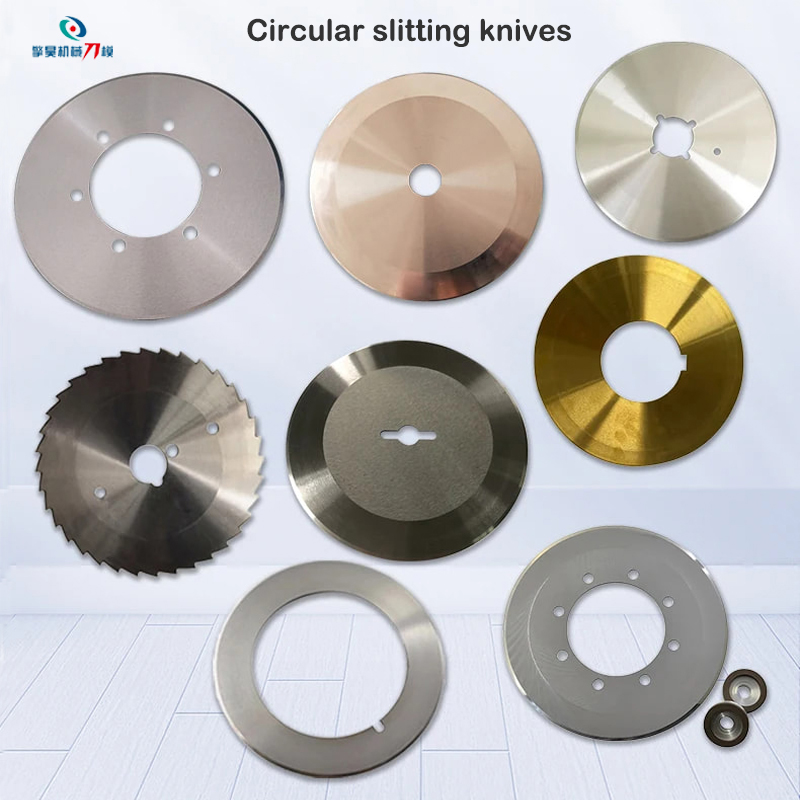
Cutting blades play a vital role in various industries, providing the precision and efficiency needed for numerous applications. Understanding these industries can help in selecting the appropriate cut resistant gloves for optimal safety. Here’s a look at some of the key sectors that rely heavily on cutting blades:
In the food processing industry, cutting blades are essential for tasks like slicing, dicing, and preparing ingredients. These blades must adhere to strict hygiene standards to ensure food safety. They are used in everything from meat processing to vegetable slicing.
● Key Applications:
○ Slitting Blades: Ideal for slicing meats and cheeses.
○ Circular Blades: Commonly used for cutting dough and pastries.
○ Filleting Blades: Specialized for preparing fish.
Food Processing Blade Types | Typical Uses |
Slitter Blades | Slicing meats and vegetables |
Circular Blades | Cutting dough or pastries |
Specialty Blades | Filleting fish |
The metal processing industry relies on cutting blades for precision work. These blades are designed to cut through tough materials such as steel and aluminum. They are crucial in manufacturing components for various applications.
● Important Features:
○ High durability to withstand wear and tear.
○ Designed for accuracy in cutting complex shapes.
○ Often used in saws and shears for metal fabrication.
In the plastic and rubber sectors, cutting blades are used to create products ranging from packaging materials to automotive parts. These blades need to be sharp and durable to handle different material thicknesses.
● Key Considerations:
○ Blades are often made from high-speed steel or carbide.
○ They must be able to cut through various plastics and rubber types.
○ Precision is critical for maintaining product quality.
Woodworking relies heavily on cutting blades for shaping and finishing wood products. Whether it's furniture making or construction, these blades are essential for achieving clean cuts and smooth finishes.
● Common Blade Types:
○ Table Saw Blades: Used for ripping and cross-cutting wood.
○ Router Bits: Ideal for shaping edges and joints.
○ Band Saw Blades: Perfect for intricate cuts and curves.
Woodworking Blade Types | Applications |
Table Saw Blades | Ripping and cross-cutting wood |
Router Bits | Shaping edges and joints |
Band Saw Blades | Intricate cuts and curves |
The paper and packaging industry utilizes cutting blades to produce everything from cardboard boxes to printed materials. These blades ensure that cuts are clean and precise, which is essential for packaging integrity.
● Noteworthy Points:
○ Blades are designed to handle multiple layers of material.
○ They help maintain the quality of printed products.
○ Often used in packaging machines for efficiency.
Packaging Blade Types | Primary Uses |
Edge-Trimming Blades | Trimming paper and cardboard |
Slitting Blades | Cutting rolls of packaging material |
Thin Blades | Precision cuts in assembly lines |
By understanding the various industries that utilize cutting blades, it becomes clearer why selecting the right cut resistant gloves is essential. Each industry has unique requirements, and matching gloves to specific tasks helps ensure safety and efficiency.
When selecting cut resistant gloves, understanding cut resistance ratings is crucial. These ratings help determine how well a glove can protect against cuts and lacerations. The two primary standards for measuring cut resistance are EN 388 and ASTM F2992.
● What Are Cut Resistance Ratings? Cut resistance ratings indicate a glove's ability to withstand cutting forces. The higher the rating, the greater the protection it offers.
● Explanation of EN 388 and ASTM F2992 Standards
○ EN 388: This European standard classifies cut resistance on a scale from A (lowest) to F (highest). It measures how many times a standard blade can cut through the material.
○ ASTM F2992: This American standard uses a Tomodynamometer test to simulate real-world cutting scenarios, providing a more rigorous assessment of glove performance.
Standard | Rating Scale | Description |
EN 388 | A to F | Measures cut resistance |
ASTM F2992 | Level 1 to 5 | Tests against real cutting forces |
Understanding these ratings influences glove selection significantly. For instance, if you work in metal processing, choosing gloves with a higher cut resistance rating is essential.
The materials used in cut resistant gloves directly impact their performance and suitability for various applications. Different materials offer unique benefits based on the specific cutting tasks involved.
● Different Materials Used in Cut Resistant Gloves
○ Kevlar: Known for its excellent cut resistance and lightweight nature, Kevlar is a popular choice. It also provides good dexterity, which is crucial for tasks requiring precision.
○ Ultra-high Molecular Weight Polyethylene (UHMWPE): This material offers superior cut resistance and is lightweight. It also has excellent abrasion resistance, making it ideal for heavy-duty applications.
○ Metal Fiber Blends: Combining stainless steel fibers with textiles, these gloves provide robust protection against cuts. They are particularly useful in environments where heavy-duty cutting occurs.
Material Type | Key Properties |
Kevlar | Lightweight, good dexterity |
UHMWPE | High cut resistance, abrasion-resistant |
Metal Fiber Blends | Heavy-duty protection |
● Special Shaped Blades and Material Considerations When using specialized blades, such as SKH-9 and SKD-11, it's important to consider the glove material. These blades are often used in high-precision cutting applications, requiring gloves that offer both cut resistance and flexibility.
Selecting the right gloves means matching them to specific cutting blade applications. Each industry has unique requirements that dictate glove choice.
● How to Match Gloves to Specific Cutting Scenarios
○ Food Processing: Gloves must comply with FDA regulations. Materials should be safe for food contact while offering cut resistance.
○ Metal Processing: Look for gloves with anti-rust coatings to prevent contamination and ensure durability against sharp metal edges.
○ Plastic and Rubber Processing: Choose gloves with chemical resistance to protect against potential chemical exposure while maintaining flexibility for precise cuts.
Industry | Key Considerations |
Food Processing | FDA compliance, material safety |
Metal Processing | Anti-rust coatings, durability |
Plastic & Rubber | Chemical resistance, flexibility |
● Customization for Specific Needs Many manufacturers offer OEM (Original Equipment Manufacturer) and ODM (Original Design Manufacturer) services. This customization allows businesses to get gloves tailored to their specific cutting needs, enhancing safety and efficiency.
By considering these key factors when choosing cut resistant gloves, you can ensure that you select the right protection for your specific applications involving cutting blades. Each material and rating plays a significant role in determining the best glove for your needs.
When choosing cut resistant gloves, fit and comfort are paramount. A proper fit not only enhances safety but also improves dexterity, allowing workers to perform tasks efficiently. Gloves that are too tight can restrict movement, while those that are too loose may slip off during use, increasing the risk of injury.
● Importance of Proper Fit in Cut Resistant Gloves The right fit ensures that gloves provide adequate protection without hindering your ability to work. It’s crucial to find gloves that contour to your hands without being restrictive. This balance allows for maximum movement while maintaining safety.
● How Fit Affects Dexterity and Safety Dexterity is essential in many jobs, especially in industries like food processing and metal fabrication. If gloves are too bulky, they can impede fine motor skills, making it difficult to handle tools or materials safely.
● Recommendations for Trying Gloves Before Purchase Always try gloves on before buying them. If possible, perform tasks similar to your work to test their comfort and flexibility. Look for gloves that allow you to grip objects firmly and manipulate tools easily.
Fit Considerations | Recommendations |
Tightness | Should be snug but not restrictive |
Length | Should cover the wrist for protection |
Dexterity | Ensure you can move fingers freely |
Maintaining hygiene is critical, especially in environments where food is processed. Clean gloves help prevent contamination and ensure a safe working environment.
● Maintaining Hygiene in Work Environments In food processing, gloves must be kept clean to avoid cross-contamination. Regularly changing gloves and washing hands can significantly reduce the risk of foodborne illnesses.
● Importance of Clean Gloves in Food Processing Using dirty gloves can transfer harmful bacteria to food products. It’s essential to follow strict hygiene protocols to protect both workers and consumers.
● Tips for Washing and Caring for Cut Resistant Gloves
○ Follow Manufacturer Instructions: Always check the care label for specific washing instructions.
○ Use Mild Detergents: Harsh chemicals can degrade glove materials over time.
○ Air Dry: Avoid using a dryer, as high heat can damage the gloves.
Maintenance Tips | Benefits |
Regular cleaning | Reduces contamination risks |
Proper storage | Extends glove lifespan |
Timely replacement | Ensures ongoing safety and effectiveness |
When selecting cut resistant gloves, balancing cost and quality is essential. While it may be tempting to choose cheaper options, investing in high-quality gloves can lead to better long-term savings.
● Evaluating the Cost-Effectiveness of Cut Resistant Gloves Initially, high-quality gloves may cost more, but they often last longer and provide better protection. This means fewer replacements over time, ultimately saving money.
● Initial Investment vs. Long-Term Savings Consider the total cost of ownership, which includes the purchase price and how often gloves need to be replaced. Investing in durable gloves can reduce overall expenses in the long run.
● Durability and Replacement Frequency Considerations Gloves that wear out quickly can lead to increased costs and safety risks. Look for gloves made from robust materials that can withstand the rigors of your specific industry.
Cost Considerations | Factors to Weigh |
Initial Cost | Compare prices but consider quality |
Lifespan | Longer-lasting gloves save money |
Safety Risks | Cheaper gloves may compromise safety |
By focusing on fit, hygiene, and the balance between cost and quality, you can select cut resistant gloves that meet your needs effectively. Each factor plays a crucial role in ensuring safety and efficiency in your work environment.
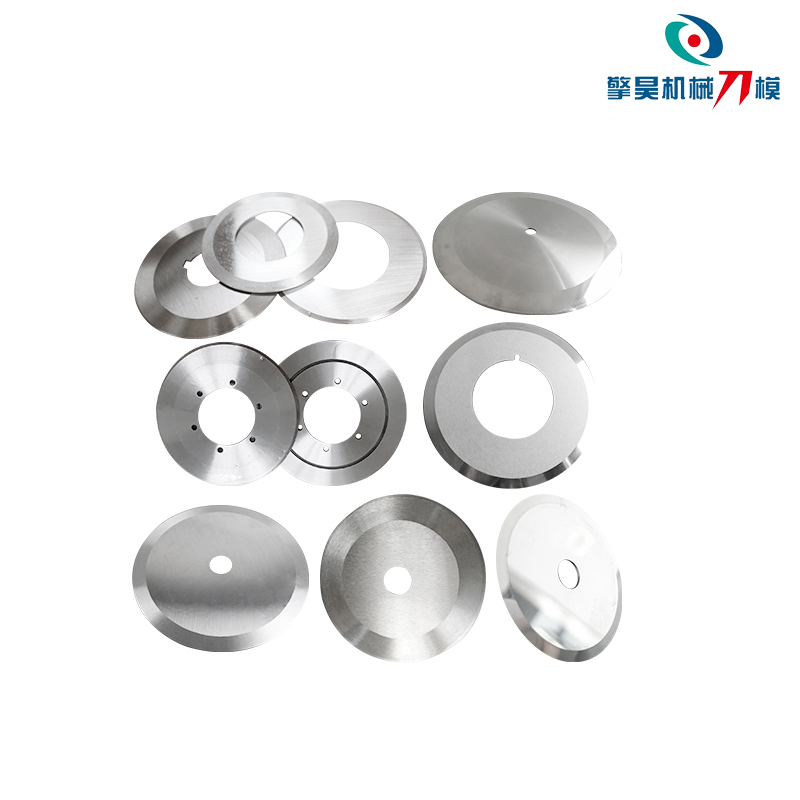
When selecting cut resistant gloves, it's essential to consider additional features that can enhance performance and safety. These features are designed to meet specific needs in various work environments, ensuring that gloves not only protect against cuts but also provide other forms of safety.
● Additional Features That Enhance Glove Performance
○ Antibacterial Coatings for Hygiene: In industries like food processing, gloves with antibacterial coatings help prevent the growth of harmful bacteria. This feature is crucial for maintaining hygiene and ensuring food safety. These coatings can inhibit bacterial growth, making gloves safer for handling food products.
○ Thermal Protection for Cold Environments: For workers in cold storage or freezer environments, thermal protection is vital. Gloves designed with insulation can keep hands warm while still providing cut resistance. This feature allows workers to handle cutting tasks effectively without sacrificing comfort in low temperatures.
○ Conductive Fibers for Electronic Component Handling: In electronics manufacturing, gloves with conductive fibers are essential. They allow for safe handling of sensitive components without the risk of static discharge. This feature is particularly important in environments where electronic parts are assembled or repaired.
Feature | Benefits |
Antibacterial Coatings | Reduces bacterial growth |
Thermal Protection | Keeps hands warm in cold environments |
Conductive Fibers | Prevents static discharge |
Understanding compliance standards is crucial when choosing cut resistant gloves. Compliance ensures that the gloves meet safety requirements specific to your industry, providing peace of mind for both employers and employees.
● Understanding Compliance Standards Various safety certifications indicate that gloves have been tested and meet specific performance criteria. For example, EN 388 and ANSI/ISEA 105 are widely recognized standards that evaluate cut resistance, abrasion resistance, and other protective qualities.
● Overview of Relevant Safety Certifications
○ EN 388: This European standard assesses cut resistance, abrasion, tear, and puncture resistance, providing a comprehensive evaluation of glove performance.
○ ANSI/ISEA 105: This American standard categorizes gloves based on their cut resistance and other protective features, helping consumers make informed choices.
Certification | Description |
EN 388 | European standard for cut resistance |
ANSI/ISEA 105 | American standard for glove performance |
● Importance of Choosing Compliant Products for Workplace Safety Selecting gloves that comply with established standards is essential for workplace safety. Non-compliant gloves may not provide adequate protection, increasing the risk of injuries. By choosing certified products, you ensure that your gloves offer the necessary safety features for your specific tasks.
Incorporating these additional features and understanding compliance standards can significantly enhance the effectiveness of cut resistant gloves. By considering these factors, you can make informed decisions that improve safety and performance in your workplace.
Selecting the right cut resistant gloves is crucial for safety and efficiency. Proper gloves protect against cuts while accommodating specific cutting blade applications.
We encourage you to assess your current gloves and consider your specific needs. Consulting with suppliers can help you find personalized recommendations for optimal protection.
A: The best gloves for food processing are those that comply with FDA regulations and offer cut resistance while being safe for food contact.
A: Check for high cut resistance ratings (EN 388 or ASTM F2992) and look for anti-rust coatings for added protection.
A: It’s best to use gloves tailored to specific applications, as different materials and features provide varying levels of protection.
A: Regularly clean gloves according to manufacturer instructions, and inspect for wear. Replace when damaged.
A: Cut resistant gloves offer significantly better protection against cuts and lacerations than regular gloves.
A: Customized gloves provide tailored protection, enhancing safety and comfort based on unique industry requirements.
A: Look for gloves with recognized certifications, such as EN 388 or ANSI/ISEA 105, to confirm compliance with safety standards.


