Warmly welcome friends from all over the world to join us and establish a mutual benefit relationship.

 English
Views: 0 Author: Site Editor Publish Time: 2025-12-06 Origin: Site


Cutting blades pose significant risks in many industries. Without proper protection, injuries can occur easily.
Cut resistant gloves are essential for safety in these environments. This article explores different glove materials, highlighting their pros and cons.
You’ll learn how to choose the right gloves based on your specific cutting operations.
Cutting blades are essential tools across various industries, including food processing, manufacturing, and recycling. For instance, in food processing, they help slice meats, vegetables, and other products efficiently. In manufacturing, cutting blades are used for precise shaping and trimming of materials. Recycling facilities rely on these blades to process waste efficiently, turning it into reusable materials.
However, the use of cutting blades comes with inherent risks. Workers can easily suffer severe injuries without proper protective gear. This is where cut resistant gloves play a crucial role. They provide an essential barrier against sharp edges, significantly reducing the likelihood of cuts and lacerations.
Safety should always be a top priority in workplaces using cutting blades. Consider these key points regarding safety:
● Injury Prevention: Proper gloves protect against cuts and punctures.
● Compliance: Many industries require adherence to safety regulations.
● Worker Confidence: Employees feel safer and more productive when protected.
Injury statistics highlight the importance of safety measures. Workplaces that implement effective safety protocols, including the use of cut resistant gloves, see a marked decrease in injury rates. For example, companies that prioritize safety often report fewer accidents, leading to lower insurance costs and improved employee morale.
Understanding cut resistance standards is vital for selecting the right gloves. The EN 388 standard is one of the most recognized benchmarks for evaluating glove performance against cutting risks. This standard assesses four key factors:
1. Abrasion Resistance: How well the glove withstands wear and tear.
2. Blade Cut Resistance: How effectively it resists cuts from sharp objects.
3. Tearing Resistance: The glove's ability to resist tearing.
4. Puncture Resistance: How well it protects against punctures.
EN 388 Ratings | Description |
Level 1 | Minimal cut resistance |
Level 2 | Low cut resistance |
Level 3 | Moderate cut resistance |
Level 4 | Good cut resistance |
Level 5 | High cut resistance |
Level 6 | Very high cut resistance |
Choosing gloves that meet or exceed these standards is crucial for ensuring safety in cutting operations. A higher level of cut resistance means better protection, which is especially important in high-risk environments.
The quality of cutting blades directly impacts the necessity for appropriate safety gear. High-quality blades tend to provide cleaner cuts, but they can also pose greater risks if they are not handled properly.
● Risk Assessment: Using superior cutting blades increases the risk of injury.
● Protective Measures: Investing in high-quality gloves is essential for safety.
● Training and Awareness: Workers must be trained to recognize risks associated with different blades.
When using superior cutting blades, the risk of injury increases, making it even more important to wear cut resistant gloves. In summary, the relationship between cutting blades and safety gear is clear. As blade technology advances, so must our approach to safety. Investing in high-quality gloves that meet cut resistance standards is not just a recommendation—it’s essential for protecting workers in any cutting operation.
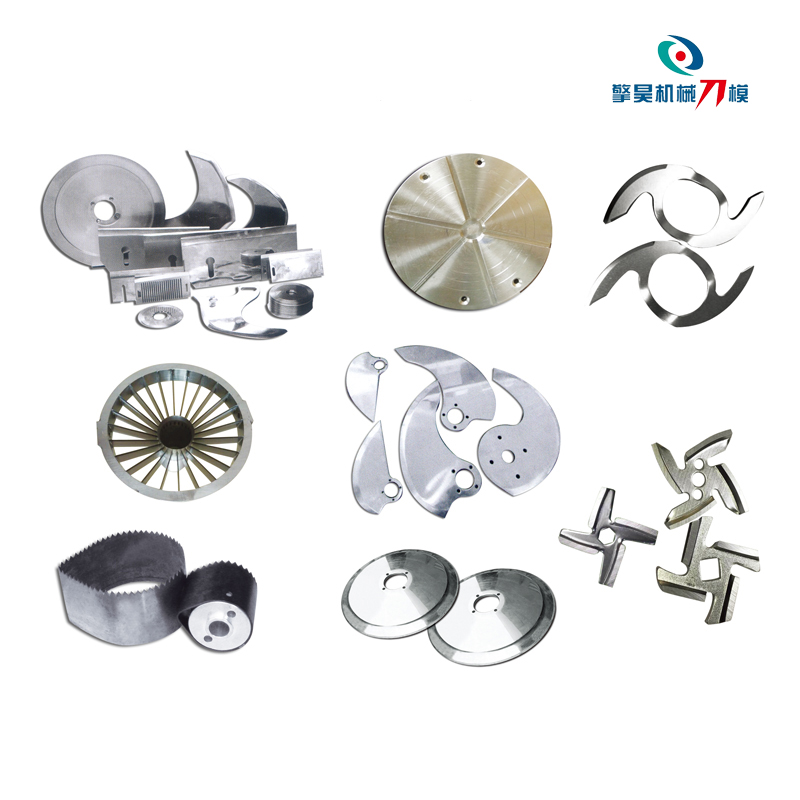
When it comes to cut resistant gloves, the materials used play a critical role in their effectiveness. Various materials offer distinct advantages and disadvantages, affecting safety, comfort, and performance. Understanding these materials helps in making informed choices for specific cutting tasks.
1. Metal Wire Woven Materials
a. Typically made from stainless steel or other metal fibers, these gloves offer exceptional cut resistance. They are perfect for high-risk environments where sharp blades are frequently used.
b. Pros: Excellent durability and high cut protection.
c. Cons: Limited flexibility and can feel heavy during extended use
2. Synthetic Fiber Materials
a. High-Strength Polyethylene Fiber (HPPE): This lightweight material provides good cut resistance while maintaining flexibility. It’s often used in food processing and manufacturing.
b. Kevlar Fiber: Known for its high strength and cut resistance, Kevlar is ideal for high-risk cutting operations. It’s also resistant to abrasion and chemicals.
c. Pros: Comfortable and flexible, allowing for dexterous movements.
d. Cons: May wear out faster than metal wire gloves in harsh conditions.
3. Natural Fiber Materials
a. Leather: Often used for low-risk cutting tasks, leather gloves are durable and provide basic protection. They are comfortable but not suitable for high-cut-risk environments.
b. Cotton Yarn: While offering comfort and breathability, cotton gloves provide minimal cut resistance. They are best for very light tasks.
c. Pros: Comfortable and cost-effective for low-risk scenarios.
d. Cons: Poor cut resistance, unsuitable for jobs involving sharp blades.
The choice of glove material significantly impacts safety and performance. For instance, gloves made from high-strength fibers like HPPE or Kevlar offer better cut protection, making them suitable for tasks involving cutting blades. On the other hand, while leather gloves may be more comfortable, they do not provide adequate protection against sharp edges.
Material Type | Cut Resistance Level | Comfort | Typical Use Cases |
Metal Wire Woven | Very High | Low | Heavy-duty cutting, metal processing |
High-Strength Polyethylene | High | Medium | Food processing, light manufacturing |
Kevlar | High | High | Recycling, mechanical work |
Leather | Low | High | Woodworking, low-risk tasks |
Cotton Yarn | Very Low | Very High | Dust protection, very light tasks |
In summary, selecting the right material is crucial for ensuring adequate protection while maintaining comfort and dexterity. As we navigate different cutting tasks, understanding these materials allows for better safety practices in environments where cutting blades are prevalent.
Metal wire woven materials are a popular choice for cut resistant gloves, especially in high-risk environments. These gloves are typically constructed from stainless steel wire or other metal fibers, offering exceptional protection against sharp edges. The unique composition of these materials allows them to provide a high level of cut resistance, making them ideal for industries where cutting blades are frequently used.
Metal wire woven gloves combine strands of stainless steel with synthetic fibers to create a robust protective layer. The stainless steel provides the necessary cut resistance, while the fibers help maintain flexibility and comfort. This combination results in a glove that can withstand harsh conditions while offering a degree of dexterity.
Material | Composition | Typical Applications |
Stainless Steel Wire | Woven with synthetic fibers | Metal processing, food industry |
1. High Cut Resistance: These gloves often comply with EN 388 level 5 standards, which indicates a very high level of cut protection. This makes them suitable for tasks involving sharp cutting blades, such as in metal fabrication or glass handling.
2. Excellent Durability: The use of stainless steel ensures that these gloves can withstand significant wear and tear. They are less likely to tear or degrade compared to gloves made from softer materials.
3. Hygiene-Friendly: Metal wire woven gloves are easy to clean, making them ideal for hygiene-sensitive industries like food processing. They can be washed and sanitized without compromising their protective qualities.
While metal wire woven gloves offer many advantages, they also come with some drawbacks:
● Limited Flexibility and Comfort: The presence of metal can make these gloves stiffer compared to those made from synthetic or natural fibers. This may reduce dexterity, making it harder to perform intricate tasks.
● Poor Air Permeability: These gloves often lack breathability, leading to hand stuffiness during extended use. Workers may find their hands sweating, which can be uncomfortable.
● Debris Penetration: Although they provide excellent cut protection, the woven structure can allow small debris to penetrate the gaps. This can pose additional risks if workers are not careful.
Pros | Cons |
High cut resistance (EN 388 level 5) | Limited flexibility and comfort |
Excellent durability | Poor air permeability |
Easy to clean | Potential for debris penetration |
Overall, metal wire woven materials are a solid choice for cut resistant gloves, particularly in environments where cutting blades are prevalent. Their unique properties make them effective at preventing injuries, but considerations regarding comfort and breathability should also be taken into account when selecting the right gloves for specific tasks.
Synthetic fiber materials are increasingly popular in the manufacturing of cut resistant gloves. Two prominent types of synthetic fibers used are High-Strength Polyethylene Fiber (HPPE) and Kevlar. Each material offers unique benefits and is suited for different applications, particularly in environments where cutting blades are prevalent.
HPPE is a type of synthetic fiber known for its exceptional strength-to-weight ratio. This lightweight material is engineered to provide high levels of cut resistance while remaining flexible and comfortable for the wearer. HPPE gloves are commonly used in various industries, including food processing, manufacturing, and logistics, where protection against sharp objects is essential.
Characteristic | Details |
Weight | Lightweight and comfortable |
Flexibility | Provides good dexterity for precise tasks |
Applications | Food processing, assembly lines, recycling |
1. Lightweight and Comfortable: HPPE gloves are easy to wear for long periods. Their lightweight nature reduces hand fatigue, allowing workers to perform tasks without discomfort.
2. Excellent Cut Resistance: These gloves offer impressive cut protection, often rated at EN 388 level 4 or higher. This makes them suitable for handling sharp cutting blades in various settings.
3. Good Air Permeability: HPPE gloves typically feature breathable designs, which help keep hands cool and dry during extended use. Some models also include flame retardant properties, making them versatile for different applications.
● Slightly Lower Wear Resistance: While HPPE provides good cut resistance, it may not be as durable as metal wire gloves in extremely abrasive environments. Users should consider the specific conditions when selecting gloves.
● Higher Cost: Compared to standard cotton or polyester gloves, HPPE gloves can be more expensive. However, the investment is often justified by the enhanced protection they provide.
Kevlar is a high-performance synthetic fiber known for its incredible strength and heat resistance. It is often used in applications requiring superior cut protection, such as in construction, glass handling, and metal fabrication. Kevlar gloves are designed to withstand harsh conditions while providing comfort and flexibility.
Characteristic | Details |
Strength | 15 times stronger than steel of the same weight |
Flexibility | Allows for natural hand movements |
Applications | Heavy-duty tasks, automotive, and recycling |
1. Superior Cut Resistance: Kevlar gloves offer outstanding cut protection, often rated at the highest levels of cut resistance. They are ideal for tasks involving sharp cutting blades and other hazards.
2. Good Flexibility and Elasticity: These gloves allow for a natural range of motion, making them suitable for tasks that require precision and dexterity. Workers can easily manipulate tools and materials without restriction.
3. Excellent Wear and Chemical Resistance: Kevlar is not only resistant to cuts but also to abrasion and certain chemicals, enhancing its durability in various environments.
● Poor High-Temperature Resistance: While Kevlar can handle moderate heat, it may not perform well in extremely high-temperature conditions. Users must assess the specific risks of their work environment.
● Relatively High Cost: Kevlar gloves tend to be more expensive than other glove materials. However, their long-lasting durability and protection often justify the higher price tag.
Material Type | Cut Resistance | Comfort | Typical Use Cases |
HPPE | High | High | Food processing, assembly lines |
Kevlar | Very High | High | Heavy-duty tasks, automotive |
Synthetic fiber materials like HPPE and Kevlar provide excellent options for cut resistant gloves. Their unique properties make them suitable for a variety of applications, especially where cutting blades are involved. By understanding the advantages and disadvantages of these materials, workers can make informed decisions about their protective gear.
Natural fiber materials, such as leather and cotton yarn, are commonly used in cut resistant gloves. While these materials provide certain advantages, they also have limitations, especially in high-risk cutting environments. Understanding the characteristics, pros, and cons of these materials is essential for selecting the right gloves for specific tasks involving cutting blades.
Leather gloves, particularly those made from cowhide and sheepskin, are known for their durability and comfort. Cowhide leather is thicker and more robust, making it suitable for heavy-duty tasks. Sheepskin, on the other hand, is softer and more flexible, providing a comfortable fit for lighter applications. Both types of leather offer a degree of protection, but their effectiveness varies based on the specific use case.
Type of Leather | Characteristics | Typical Applications |
Cowhide | Thick, durable, good abrasion resistance | Heavy-duty tasks, construction |
Sheepskin | Soft, flexible, comfortable | Light-duty tasks, general use |
1. Good Wear Resistance: Leather gloves provide excellent wear resistance, making them suitable for low-risk cutting operations. They can withstand significant handling without tearing or degrading quickly.
2. Some Flexibility: Leather offers a decent level of flexibility, allowing for basic operational needs. Workers can perform tasks without feeling overly restricted, which is crucial in many manual jobs.
● Poor Cut Resistance: While leather offers some protection, it does not provide adequate cut resistance for high-risk scenarios. In environments where sharp cutting blades are prevalent, leather gloves may not be sufficient.
● Limited Air Permeability: Leather tends to be less breathable than synthetic materials, leading to potential discomfort during extended wear. This can result in sweaty hands, especially in warmer conditions.
Cotton yarn gloves are made from woven cotton fibers, offering a lightweight and breathable option for users. These gloves are often used in environments where cut resistance is not a primary concern but where comfort and dexterity are needed. They are commonly found in general handling tasks, light assembly, and packaging.
Characteristic | Details |
Material | Woven cotton yarn |
Weight | Lightweight and breathable |
Applications | General handling, light assembly |
1. Good Air Permeability: One of the main advantages of cotton yarn gloves is their breathability. They allow for good airflow, keeping hands cool and comfortable during use, which is especially beneficial in warmer climates.
2. Low Cost: These gloves are budget-friendly, making them an economical choice for businesses that require a large quantity of gloves for low-risk tasks. Their affordability allows for easy replacement and maintenance.
● Minimal Cut Resistance: Cotton yarn gloves offer very little cut protection, making them unsuitable for cutting operations. When working with sharp blades, these gloves do not provide adequate safety.
● Poor Wear Resistance: Over time, cotton gloves can wear out quickly, leading to a short lifespan. Frequent replacements may be necessary, which can increase long-term costs.
Material Type | Cut Resistance | Comfort | Typical Use Cases |
Leather (Cowhide, Sheepskin) | Low | High | Light to moderate tasks |
Cotton Yarn | Very Low | Very High | General handling, packaging |
Natural fiber materials like leather and cotton yarn have their place in the glove market. While they provide comfort and some level of protection, their limitations in cut resistance make them less suitable for high-risk environments involving cutting blades. By understanding these materials, workers can make better decisions when choosing protective gear.
Selecting the right cut resistant gloves is crucial for ensuring safety and efficiency in various cutting operations. The choice of glove material should be based on the type of cutting blade being used and the specific application involved. This section explores how to match glove materials with different cutting scenarios, providing recommendations for optimal protection.
In environments where sharp blades pose significant hazards, such as metal fabrication or glass handling, the choice of glove material becomes critical. For these high-risk scenarios, gloves made from stainless steel wire or Kevlar are highly recommended.
● Stainless Steel Wire Gloves: These gloves offer exceptional cut resistance, often rated at EN 388 level 5 or higher. They are ideal for tasks involving heavy-duty cutting blades, providing a strong barrier against cuts and lacerations.
● Kevlar Gloves: Known for their superior strength and flexibility, Kevlar gloves also provide excellent cut protection. They are suitable for various high-risk applications, including automotive and recycling industries.
Material | Cut Resistance Level | Typical Applications |
Stainless Steel Wire | Very High | Metal fabrication, glass handling |
Kevlar | High | Automotive, recycling |
For tasks requiring precision, such as surgical procedures or intricate assembly work, the material choice shifts towards High-Strength Polyethylene Fiber (HPPE).
HPPE gloves are lightweight and provide excellent dexterity, making them perfect for precision cutting tasks. Their good cut resistance allows workers to handle sharp blades safely while maintaining the ability to perform detailed work without sacrificing comfort.
● Recommended Use: HPPE is particularly effective in applications like food preparation and electronics assembly, where both safety and precision are paramount.
In the food industry, hygiene considerations are just as important as cut resistance. Gloves used in this sector must not only protect against cuts but also meet strict hygiene standards.
● Suitable Materials: HPPE gloves, which are easy to clean and often come with antimicrobial properties, are ideal for food handling. Additionally, stainless steel wire gloves can be used in meat processing, where cut resistance is critical.
Application | Recommended Material | Hygiene Considerations |
Food preparation | HPPE | Easy to clean, antimicrobial |
Meat processing | Stainless Steel Wire | Must be sanitized regularly |
For less hazardous tasks, such as packaging or light assembly, the glove requirements change. In these scenarios, materials like cotton yarn or lightweight leather can be appropriate.
● Cotton Yarn Gloves: These gloves offer comfort and breathability, making them suitable for general handling tasks. However, they provide minimal cut resistance and are best used where sharp blades are not a concern.
● Lightweight Leather Gloves: While not ideal for high-risk cutting, they offer decent wear resistance for low-risk operations, allowing for some level of protection without compromising comfort.
It’s essential to customize glove selection based on specific cutting blade types and operational requirements. Factors such as the nature of the task, the environment, and the level of risk involved should all be considered when selecting gloves.
● Assessing Needs: Businesses should evaluate their specific cutting operations to determine the most suitable glove materials. Customization can involve selecting gloves with specific features, such as enhanced grip, additional padding, or specialized coatings for chemical resistance.
Consideration | Importance | Customization Options |
Type of cutting blade | Determines cut resistance | Material selection, thickness |
Operational environment | Affects breathability | Grip enhancements, coatings |
Level of risk | Influences protection | Custom sizing, additional features |
By understanding the various cutting scenarios and the corresponding glove materials, organizations can ensure they provide the right protection for their workers. This tailored approach not only enhances safety but also improves overall operational efficiency.
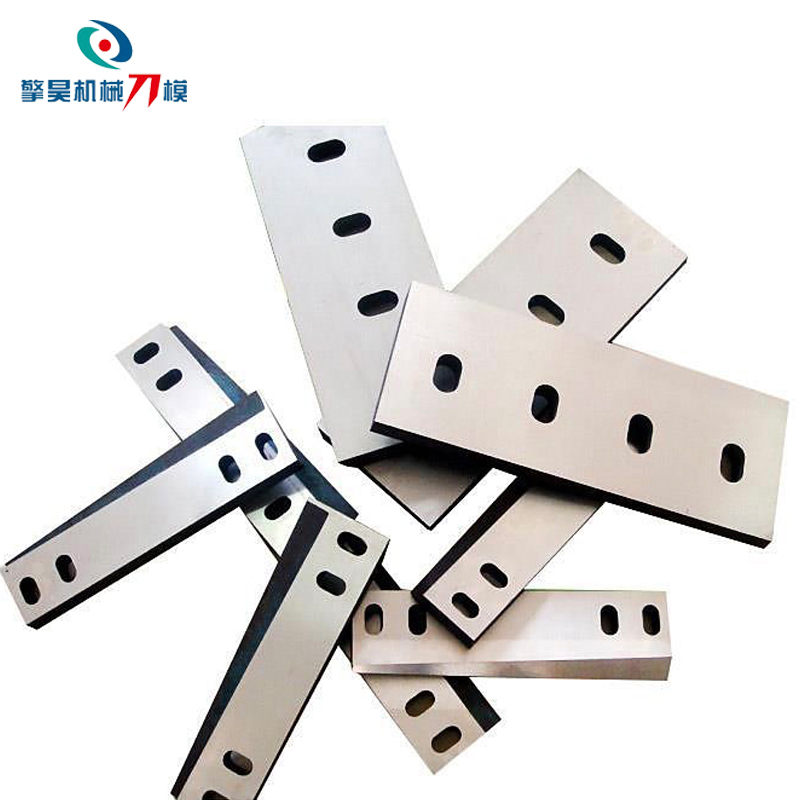
When it comes to cutting operations, the quality of the cutting blades used plays a crucial role in determining not only the efficiency of the task but also the safety of the workers involved. Zhejiang Qinghao Intelligent Machinery Co., Ltd. offers a range of high-quality cutting blades designed to meet various industrial needs. Understanding how these blades impact the requirements for cut resistant gloves is essential for ensuring optimal safety and performance in the workplace.
Zhejiang Qinghao specializes in producing cutting blades that are engineered for precision and durability. Their product lineup includes:
● Circular Blades: Ideal for cutting through a variety of materials, these blades are designed for high-speed applications, providing clean cuts with minimal friction. They are commonly used in packaging and textile industries.
● Straight Blades: These blades are perfect for applications requiring straight cuts. They are often utilized in woodworking and metalworking, delivering reliable performance and longevity.
● Specialty Blades: Customized for specific applications, these blades can handle unique materials or cutting techniques, ensuring that they meet the specialized needs of different industries.
Blade Type | Applications | Key Features |
Circular Blades | Packaging, textiles | High-speed, clean cuts |
Straight Blades | Woodworking, metalworking | Reliable performance |
Specialty Blades | Custom applications | Tailored for unique materials |
The choice of cutting blade directly influences the type of cut resistant gloves needed for safe operation. For instance, using high-speed circular blades generates more heat and friction, increasing the risk of cuts and lacerations. In such cases, gloves made from durable materials like stainless steel wire or Kevlar are recommended to provide the necessary protection.
Conversely, when using straight blades for less aggressive cutting tasks, lighter gloves made from HPPE or cotton yarn may suffice. These materials offer adequate protection without sacrificing dexterity, allowing workers to perform tasks efficiently while minimizing fatigue.
Cutting Blade Type | Recommended Glove Material | Safety Considerations |
High-speed Circular | Stainless Steel Wire, Kevlar | High cut resistance required |
Straight Blades | HPPE, Cotton Yarn | Moderate cut protection needed |
Using high-quality cutting blades is essential for minimizing risks during cutting operations. High-quality blades are designed to maintain sharpness longer, reducing the need for frequent replacements and ensuring consistent cutting performance. This not only enhances productivity but also decreases the likelihood of accidents caused by dull blades, which can slip or require excessive force to operate.
Moreover, high-quality blades contribute to better overall safety. When blades are manufactured to high standards, they are less likely to break or shatter during use, which can pose serious hazards to workers. By investing in reliable cutting tools, companies can create a safer working environment and improve operational efficiency.
In summary, the relationship between cutting blades and cut resistant gloves is crucial for workplace safety. Selecting the right gloves based on the type of blades being used ensures that workers are adequately protected against potential injuries. By prioritizing high-quality blades, businesses can further minimize risks and enhance productivity in their cutting operations.
Choosing the right cut resistant glove material is crucial for safety. Each material has its pros and cons, depending on the cutting operations involved.
We encourage readers to assess their specific cutting tasks and select gloves that offer the best protection.
Feel free to share your experiences or ask questions about cut resistant gloves and cutting blades. Your insights can help others make informed choices!


