Warmly welcome friends from all over the world to join us and establish a mutual benefit relationship.

 English
Views: 0 Author: Site Editor Publish Time: 2025-11-30 Origin: Site


Did you know that kitchen injuries from cutting blades are alarmingly common? Every year, thousands of people suffer cuts while preparing food. This highlights the need for effective safety measures, like cut resistant gloves.
Cut resistant gloves are essential for protecting your hands while using sharp cutting blades. In this article, we’ll explore popular options available today. You’ll learn about their features, benefits, and how to choose the right pair for your kitchen needs.
Cut resistant gloves are essential tools in any kitchen where sharp cutting blades are used. These gloves provide a protective barrier against potential injuries while enhancing your ability to handle various food items safely. Let’s dive into the materials, functionality, and benefits of these gloves.
Cut resistant gloves are made from a range of advanced materials designed to provide safety without sacrificing comfort. Here are some common materials you might encounter:
● Kevlar: Known for its exceptional strength-to-weight ratio, Kevlar is a popular choice. It offers high cut resistance and is often used in various safety applications.
● Dyneema: This ultra-high molecular weight polyethylene fiber is lightweight yet incredibly strong. Dyneema gloves provide excellent cut and abrasion resistance while maintaining flexibility.
● Steel Fibers: Some gloves incorporate stainless steel fibers to enhance cut resistance. These gloves are particularly effective in environments where sharp blades are frequently used.
Material | Key Features | Common Uses |
Kevlar | Lightweight, high cut resistance | General food preparation |
Dyneema | Strong, flexible, and lightweight | Precision tasks |
Steel Fibers | Excellent cut and abrasion resistance | Heavy-duty kitchen tasks |
Cut resistant gloves protect your hands by reducing the risk of cuts and lacerations. They work based on specific cut resistance ratings established by organizations like ANSI (American National Standards Institute) and ISEA (International Safety Equipment Association).
These ratings range from A1 (lowest protection) to A9 (highest protection), indicating how well the glove can withstand cutting forces. For kitchen use, gloves rated A3 to A5 are generally sufficient, providing a good balance between protection and dexterity.
Using cut resistant gloves in your kitchen comes with several advantages:
1. Injury Prevention: The primary benefit is, of course, safety. These gloves significantly reduce the likelihood of cuts while using sharp knives and other cutting blades, allowing you to focus on preparing meals without fear.
2. Enhanced Grip and Control: Many cut resistant gloves are designed to provide a superior grip. This feature is crucial when handling slippery or wet ingredients. A secure grip means you can control your cutting movements better, leading to safer food preparation.
3. Comfort and Flexibility: Modern cut resistant gloves are designed to be comfortable for extended wear. They allow for natural hand movements, making it easy to chop, slice, and dice without feeling restricted. This flexibility is important for maintaining efficiency in the kitchen.
In summary, understanding the materials, functionality, and benefits of cut resistant gloves helps you make an informed choice. Whether you’re a professional chef or a home cook, investing in quality gloves can enhance your kitchen safety and efficiency.
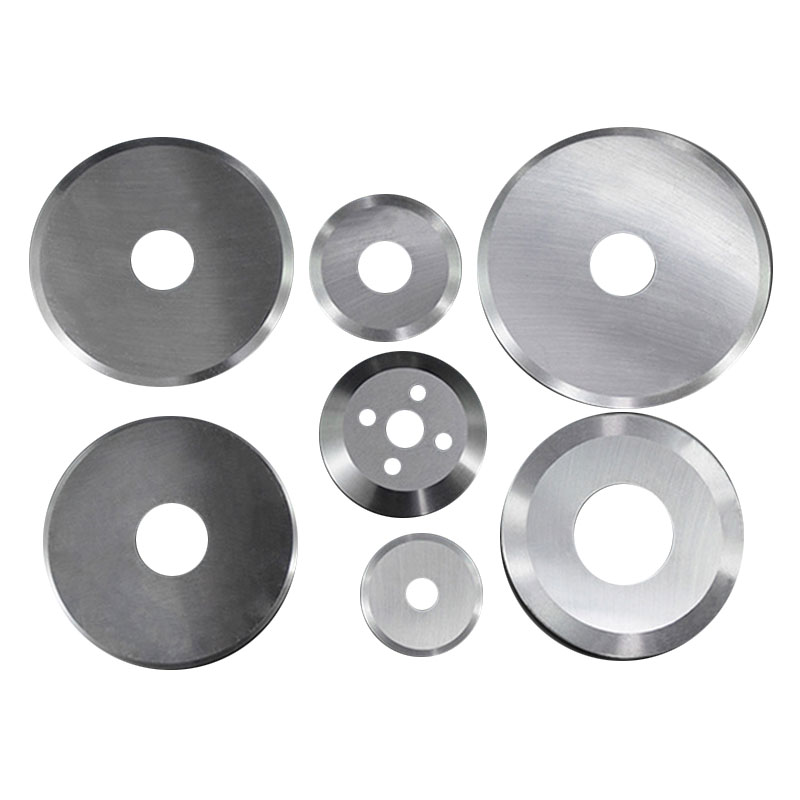
When selecting cut resistant gloves for kitchen use, several key features can make a significant difference in safety and comfort. Understanding these features helps you choose the right pair that meets your specific needs while handling cutting blades.
Cut resistance levels are crucial for determining how well gloves can protect your hands. The American National Standards Institute (ANSI) has established ratings from A1 to A9, indicating the glove's ability to withstand cutting forces. For kitchen tasks, gloves rated between A3 and A5 are generally recommended.
Cut Resistance Level | Description | Suitable Uses |
A1 | Minimal protection | Low-risk tasks |
A3 | Moderate protection | General food prep |
A5 | High protection | Handling sharp knives |
A9 | Maximum protection | Heavy-duty industrial tasks |
Understanding these ratings can help you select gloves that provide the right level of protection for your kitchen activities. For instance, if you frequently use sharp chef knives, opting for A5-rated gloves would enhance your safety significantly.
Comfort is essential when working in the kitchen for extended periods. Gloves that fit well and allow for breathability can enhance your cooking experience. Look for gloves made from materials like Kevlar or Dyneema, which not only provide cut resistance but also maintain flexibility and comfort.
● Moisture-Wicking Properties: Many gloves feature moisture-wicking technology to keep your hands dry. This is particularly beneficial during long cooking sessions.
● Flexible Design: A snug fit prevents slipping, ensuring you can handle cutting blades with precision.
Imagine chopping vegetables for an hour while wearing gloves that feel tight or uncomfortable; it can be distracting and might even lead to accidents. Therefore, prioritize comfort to maintain focus on your culinary tasks.
Cleaning and maintaining your cut resistant gloves is vital for hygiene and longevity. Most gloves can be machine washed, but it's essential to follow specific care instructions provided by the manufacturer. Here are some general tips for maintaining your gloves:
● Machine Wash: Use cold water and a gentle cycle to avoid damaging the fibers.
● Air Dry: Avoid using a dryer, as heat can compromise the material.
● Regular Inspection: Check for signs of wear and tear, and replace them if necessary.
By keeping your gloves clean, you not only prolong their lifespan but also ensure they remain hygienic. For example, after handling raw meat, washing your gloves promptly helps prevent cross-contamination in your kitchen.
A good grip is crucial when handling cutting blades. Many cut resistant gloves are designed with textured surfaces to enhance grip, allowing for better control while cutting. This feature is especially important when working with slippery ingredients, such as fruits and vegetables.
● Textured Surfaces: Look for gloves that offer a textured grip, which can significantly reduce the chances of slipping.
● Enhanced Control: The better the grip, the safer the cutting process becomes. It reduces the chances of accidents, ensuring you can focus on preparing delicious meals without worrying about slipping.
Consider how often you handle wet or oily items in the kitchen. A glove that provides excellent grip can make all the difference when slicing through a slippery tomato or dicing onions.
In a kitchen environment, water resistance can be an important feature. While not all cut resistant gloves are waterproof, many offer water-resistant properties, which can help keep your hands dry during food preparation. This is particularly useful when washing vegetables or dealing with wet ingredients.
● Water-Resistant Features: Gloves with water-resistant materials can enhance comfort and safety, allowing you to work efficiently without compromising on protection.
● Practical Applications: Choosing gloves with water resistance means you won’t have to worry about your hands getting soaked while rinsing produce, which can be a common occurrence in meal prep.
When you choose gloves that incorporate these water-resistant features, you enhance your overall cooking experience, ensuring you stay dry and comfortable throughout your kitchen tasks.
In summary, understanding these key features will help you select the best cut resistant gloves for your kitchen needs. Make sure to prioritize cut resistance levels, comfort, ease of maintenance, grip, and water resistance when making your choice.
When it comes to kitchen safety, choosing the right cut resistant gloves is essential. Several brands stand out for their quality and effectiveness in protecting hands while using cutting blades. Below, we’ll explore some of the most popular brands and their standout models, providing insights into their features, pros, cons, and ideal use cases.
1. NoCry Cut Resistant Gloves
Known for their excellent balance of protection and comfort, NoCry gloves are a favorite among home cooks and professionals alike.
2. Dex Fit Level 5 Cut Resistant Gloves
These gloves are designed for those who need high dexterity while maintaining safety. They are ideal for precision tasks in the kitchen.
3. G & F Products Cut Resistant Gloves
A budget-friendly option, G & F gloves offer decent protection for everyday kitchen tasks without breaking the bank.
4. Youngstown Glove Company Knife Safety Gloves
These gloves are built for heavy-duty use, making them perfect for commercial kitchens where durability is key.
5. Pine Tree Tools Cut Resistant Gloves
An eco-friendly option, these gloves are made from natural materials and provide excellent comfort and breathability.
● Features: These gloves offer level 5 cut resistance and are made from breathable material, ensuring comfort during long cooking sessions.
● Pros: Users appreciate the comfortable fit and the fact that they are machine washable, making maintenance easy.
● Cons: Some users report sizing issues, so it’s important to check the size chart before purchasing.
● Ideal Use Cases: Perfect for general kitchen tasks and food preparation, these gloves provide reliable protection.
● Features: With a snug fit and high dexterity, these gloves are rated level 5 for cut resistance.
● Pros: They offer excellent grip and are lightweight, making them ideal for handling sharp tools.
● Cons: However, they are not waterproof, which may be a consideration if you work with wet ingredients.
● Ideal Use Cases: Best suited for precision cutting tasks, these gloves allow for detailed work without sacrificing safety.
● Features: Made from HPPE and fiberglass, these gloves provide level 4 cut resistance.
● Pros: They are affordable and offer good basic kitchen safety, making them accessible for most users.
● Cons: Some users find them less durable compared to higher-end options.
● Ideal Use Cases: Great for everyday kitchen tasks, they provide a safety net for various food prep activities.
● Features: These gloves feature level 5 cut resistance and high visibility for added safety in busy kitchens.
● Pros: They are durable and well-suited for heavy-duty tasks, providing peace of mind during rigorous food prep.
● Cons: Their bulkier design may not appeal to everyone, especially for tasks requiring fine motor skills.
● Ideal Use Cases: Perfect for heavy-duty food preparation and in commercial kitchens where safety is paramount.
● Features: These gloves are crafted from natural materials and offer level 5 cut resistance.
● Pros: They are eco-friendly, comfortable, and breathable, making them a great choice for environmentally conscious cooks.
● Cons: Limited sizes may be a drawback for some users.
● Ideal Use Cases: Ideal for home cooking and vegetable preparation, they combine safety with comfort.
Brand | Cut Resistance Level | Price Range | User Ratings |
NoCry Cut Resistant Gloves | Level 5 | $15 - $20 | ★★★★☆ |
Dex Fit Level 5 Gloves | Level 5 | $12 - $18 | ★★★★★ |
G & F Products Gloves | Level 4 | $8 - $12 | ★★★☆☆ |
Youngstown Knife Safety Gloves | Level 5 | $20 - $30 | ★★★★☆ |
Pine Tree Tools Cut Resistant | Level 5 | $10 - $15 | ★★★★☆ |
Brand | Material Composition | Machine Washable | Eco-Friendly | Grip Level |
NoCry Cut Resistant Gloves | HPPE, Nylon, Spandex | Yes | No | High |
Dex Fit Level 5 Cut Gloves | HPPE, Spandex | Yes | No | Excellent |
G & F Products Cut Gloves | HPPE, Fiberglass | Yes | No | Moderate |
Youngstown Knife Safety Gloves | HPPE, Synthetic Leather | Yes | No | Strong |
Pine Tree Tools Cut Gloves | Natural Fibers, HPPE | Yes | Yes | Good |
This additional table highlights key features such as material composition, washability, eco-friendliness, and grip levels. By comparing these factors, you can further refine your choice based on your specific kitchen needs. Each of these gloves offers unique advantages, so consider what aspects are most important for your cooking style. Whether you prioritize comfort, dexterity, or eco-friendliness, there’s a pair out there to meet your needs.
Selecting the right cut resistant gloves for your kitchen tasks is crucial for ensuring both safety and comfort. With so many options available, knowing what factors to consider can help you make an informed decision. Let’s explore the essential aspects you should keep in mind when choosing gloves that will protect your hands while you work with cutting blades.
When choosing cut resistant gloves, several important factors come into play. Here are the key considerations:
1. Type of Food Preparation: The type of food you prepare can influence your glove choice.
a. Meat Preparation: If you frequently handle raw meat, look for gloves with higher cut resistance (A5 or above) to protect against sharp knives.
b. Vegetable Preparation: For tasks like chopping vegetables, gloves with moderate cut resistance (A3 to A4) may suffice, allowing for better dexterity.
2. Personal Preferences: Comfort and fit are paramount when working in the kitchen for long periods.
a. Fit: Ensure the gloves fit snugly without being too tight, allowing for natural hand movements.
b. Style: Some gloves come in various styles, such as coated or uncoated, which can affect grip and comfort. Choose a style that complements your cooking habits.
Factor | Considerations |
Type of Food Preparation | Meat (higher cut resistance), Vegetables (moderate) |
Personal Preferences | Fit (snug but comfortable), Style (coated/uncoated) |
Finding the right place to purchase your cut resistant gloves can make all the difference. Here’s a breakdown of recommended retailers:
● Online Retailers: Shopping online offers convenience and a wider selection. Popular options include:
○ Amazon: Known for its extensive range of gloves, user reviews can help you make a choice.
○ Walmart: Offers both online shopping and in-store pickup for quick access.
○ Home Depot: While primarily a hardware store, they have a selection of safety gear, including gloves.
● Local Stores: If you prefer to try on gloves before buying, local stores can be beneficial.
○ Kitchen Supply Stores: These often carry specialized kitchen safety gear, allowing you to feel the material and fit.
○ Safety Equipment Suppliers: Stores that focus on personal protective equipment will have knowledgeable staff to assist you.
Retailer | Type of Shopping | Notable Features |
Amazon | Online | Wide selection, user reviews available |
Walmart | Online/In-store | Convenient for quick purchases |
Home Depot | Online/In-store | Good for safety gear |
Kitchen Supply | In-store | Specialized kitchen safety gear |
Safety Suppliers | In-store | Expert advice on protective equipment |
By considering these factors and knowing where to shop, you can confidently select cut resistant gloves that meet your specific needs. Whether you’re preparing a gourmet meal or just slicing vegetables for dinner, having the right gloves will enhance your safety and comfort in the kitchen.
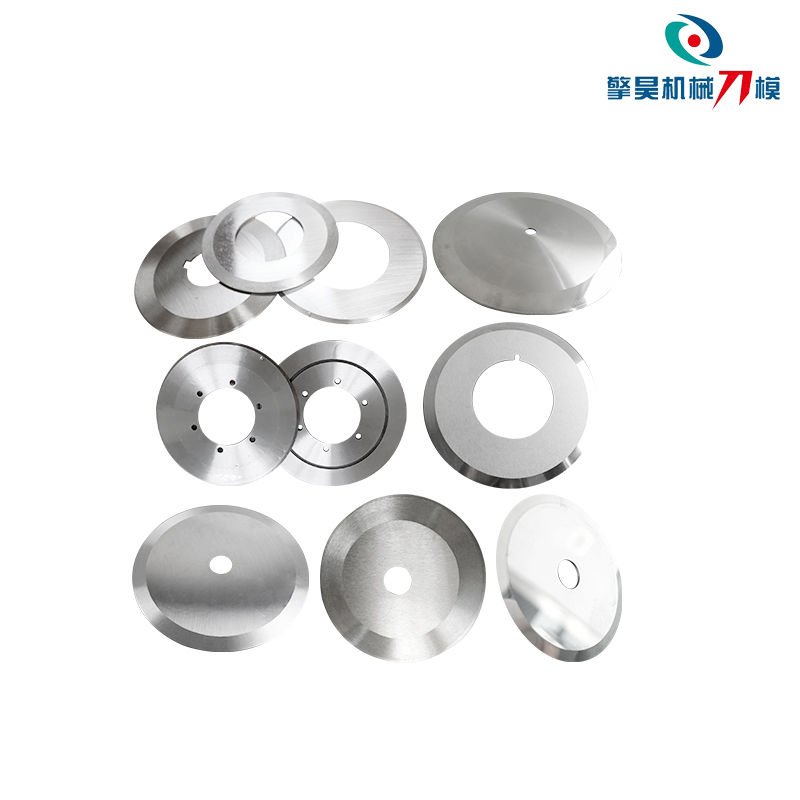
Using cut resistant gloves is a crucial step in ensuring safety while working with cutting blades in the kitchen. However, simply wearing gloves isn't enough; knowing how to use them effectively can greatly enhance your protection. Here are some practical tips on wearing, caring for your gloves, and safe cutting techniques.
Proper fitting and adjustment of your cut resistant gloves are essential for maximum safety and comfort. Here are some guidelines to ensure you’re using them correctly:
1. Proper Fitting and Adjustment:
a. Snug Fit: Make sure the gloves fit snugly around your fingers and wrists without being too tight. A good fit allows for better dexterity and control.
b. Adjustable Cuffs: If your gloves come with adjustable cuffs, use them to secure the gloves in place. This prevents any slipping during use.
2. Cleaning and Storage Tips:
a. Cleaning: After each use, wash your gloves according to the manufacturer's instructions. Most gloves can be machine washed, but always check the label.
b. Storage: Store your gloves in a cool, dry place away from direct sunlight. This helps maintain their integrity and prolongs their lifespan.
Care Tips | Recommendations |
Cleaning | Machine wash on a gentle cycle |
Storage | Keep in a cool, dry place |
Inspection | Regularly check for wear and tear |
Using cutting blades safely is just as important as wearing cut resistant gloves. Here are some best practices to follow:
1. How to Use Cutting Blades Safely While Wearing Gloves:
a. Grip: Ensure a firm grip on the knife handle, using gloves that provide excellent grip. This reduces the risk of slipping and enhances control while cutting.
b. Cutting Technique: Always cut away from your body and keep your fingers tucked in, using your knuckles as a guide. This minimizes the chance of accidental cuts.
2. Importance of Maintaining Blade Sharpness:
a. Sharp Blades: Keeping your knives sharp is crucial. Dull blades require more force to cut, increasing the risk of slipping and causing injuries. Regularly sharpen your knives to ensure they cut smoothly and safely.
Best Practices | Description |
Grip | Use gloves that provide a firm grip |
Cutting Technique | Cut away from your body, keep fingers tucked in |
Blade Maintenance | Regularly sharpen knives to maintain sharpness |
By following these tips, you can ensure that you are using your cut resistant gloves effectively while enhancing your overall safety in the kitchen. Remember, it’s not just about wearing gloves; it’s about how you use them in conjunction with safe cutting practices. With the right approach, you can enjoy cooking while minimizing the risk of injury.
Cut resistant gloves are essential for kitchen safety, especially when using cutting blades. They protect your hands from potential injuries while enhancing your cooking experience.
When choosing gloves, consider factors like fit, comfort, and cut resistance levels. Investing in quality gloves will significantly improve your safety in the kitchen.
Take action today and find the right cut resistant gloves to keep yourself safe while preparing meals.
A: Yes, they provide essential protection against cuts and injuries when handling sharp knives.
A: Absolutely! They are useful for various tasks like woodworking, gardening, and handling sharp tools.
A: Regularly inspect them for signs of wear, tear, or damage. Replace them if they show significant wear.
A: Discard them immediately to prevent accidents and purchase a new pair for safety.


